
Legal
Dark Fantasy Naming Guide | Namyra
Write dark fantasy names with consequence, local history, and restraint instead of generic grim language.
Last updated: 2026-08-10
Browse Generators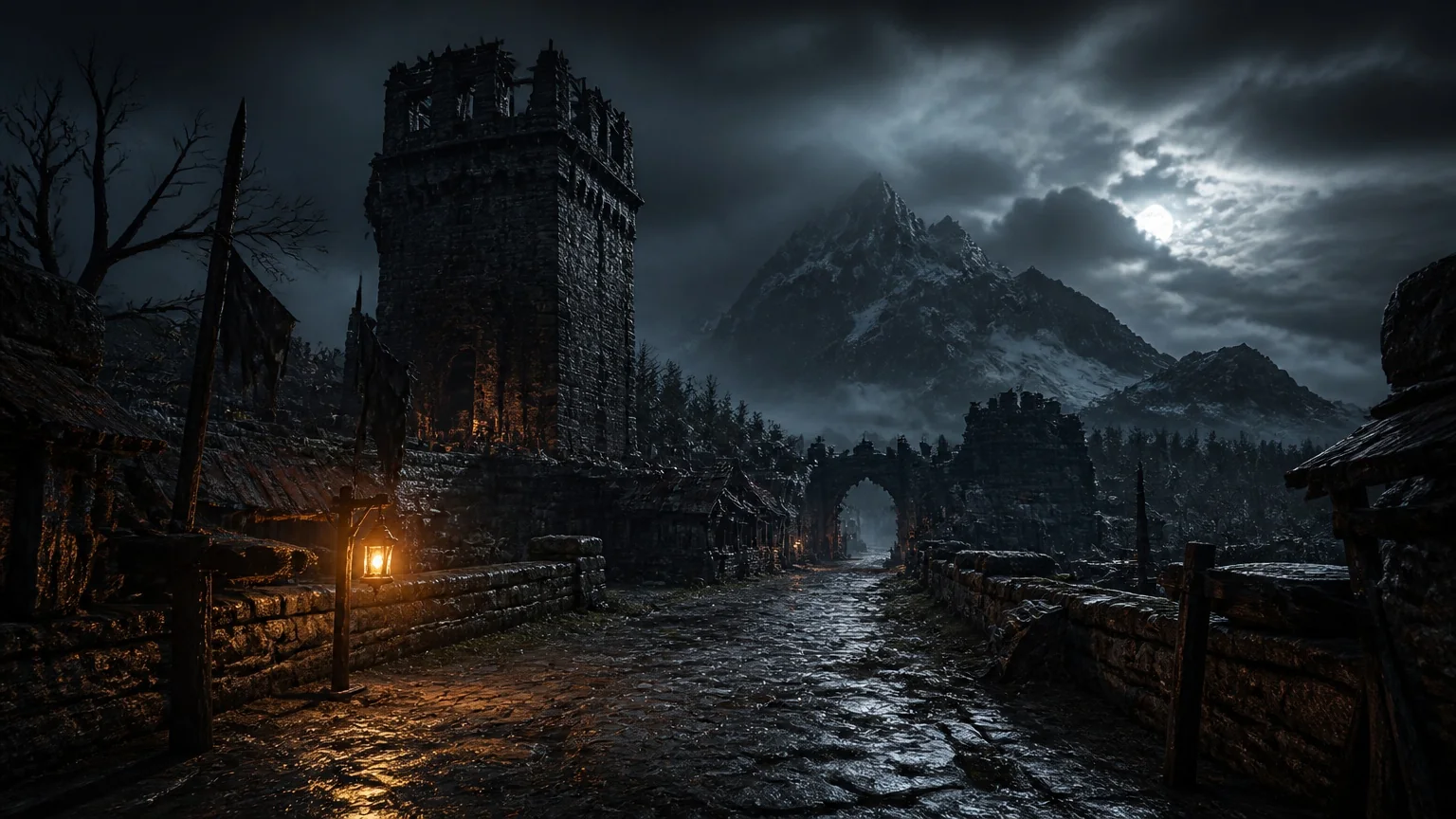
Darkness needs a specific source
Dark fantasy names become repetitive when every person, town, and relic is simply called shadowed, blood-soaked, or cursed. Begin with the consequence behind the mood instead. A city may be marked by a failed harvest, an abandoned mine, a dynasty that broke a public oath, or a river that carries something people refuse to name. Specific history gives the setting a darker tone without forcing the same adjective into every result.
Let ordinary language carry the weight
The most effective dark name is often plain enough to sound real. A local market name, family surname, or old road can feel unsettling because everyone knows what happened there. Contrast a normal personal name with a feared title, or give a ruined fortress a name that predates the disaster. The gap between the old meaning and present use creates more atmosphere than elaborate syllables alone.
Give the name a witness
Ask who remembers the event that made a name frightening. A veteran, child, priest, archivist, or rival can use the same word differently. This lets a name change meaning across dialogue, documents, and rumours. It also keeps horror tied to people and choices rather than treating darkness as a visual filter.
Keep a human reason to say it
Generate options with the Dark Fantasy Name Generator, then test them in a warning, a prayer, and a casual conversation. The right choice should be readable and pronounceable, while leaving enough unanswered history for a later scene. Use restraint: one earned detail will do more work than five grim descriptors.