
Legal
How to Build Fantasy Language Names | Namyra
A practical way to create readable, consistent fantasy language names without building a full conlang.
Last updated: 2026-08-10
Browse Generators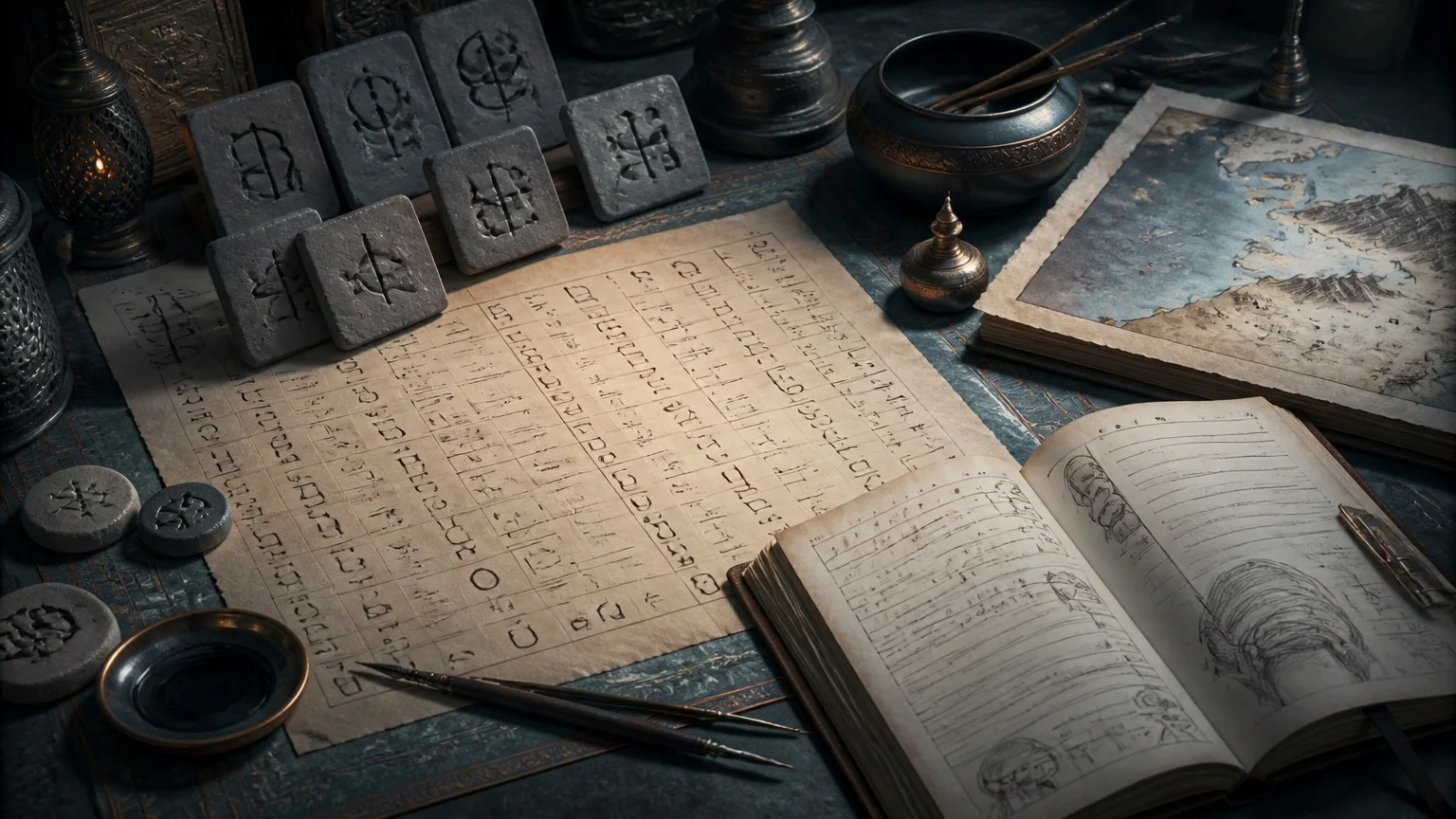
You need a pattern, not a full dictionary
Consistent fantasy language names do not require years of linguistic design. Start with a small sound palette and one or two rules you can repeat. Decide which consonants and vowel pairs appear often, whether names usually end in a vowel or a hard sound, and where a family marker or place marker belongs. These choices are enough to make related names feel connected.
Tie the sound to a culture
The pattern should grow from a way of life. Sailors may preserve short calls that travel over wind and water. A court might favour longer ceremonial forms. A mountain culture can use compact names that work in carved records, while traders may adopt flexible forms that outsiders can pronounce. Do not treat sound as decoration. Let it answer what the people value, fear, or need to communicate.
Keep exceptions on purpose
Languages change when people move, marry, conquer, trade, or reject an older tradition. Use an exception to show that history. An immigrant surname, an old sacred word, or a title borrowed from an enemy can tell a story without an exposition paragraph. The pattern remains useful because the exception has a reason.
Make a small reference sheet
Write five personal names, three place names, two family markers, and one title. Read them together and adjust anything that is difficult to say. The Fantasy Language Name Generator can provide fresh material once your rules are clear. Keep the results that fit the pattern, then note why they fit so the next name remains consistent.