
Legal
How to Name a Fantasy Kingdom | Namyra
A practical guide to naming fantasy kingdoms with geography, history, politics, and everyday language.
Last updated: 2026-08-10
Browse Generators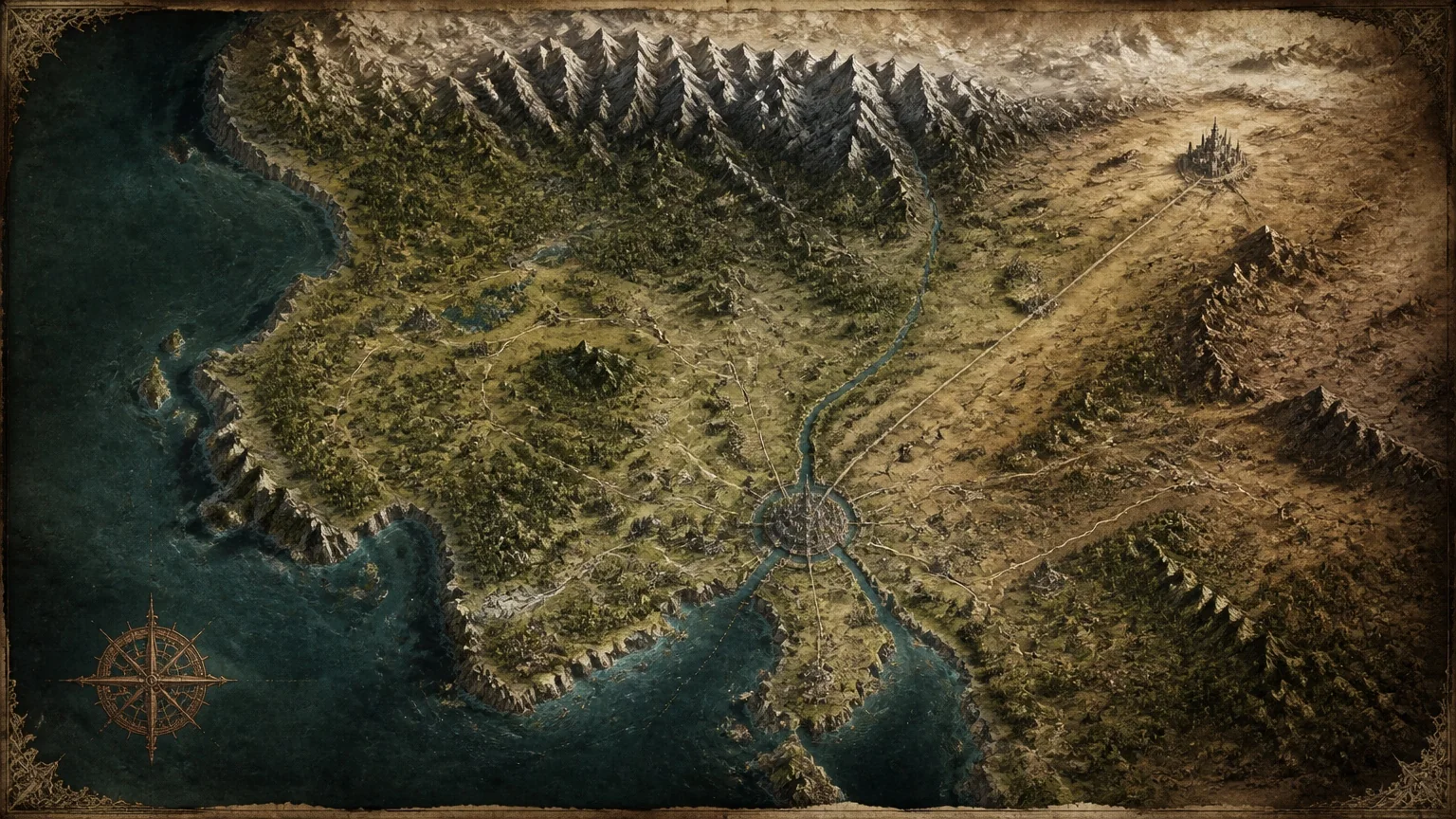
Start with the people who use the kingdom name
A kingdom name needs to work in more than a coronation speech. Merchants use it on contracts, soldiers use it at a border, and villagers may shorten it into something older or less respectful. Begin with one question: who named the realm, and who still agrees with that name? A dynasty may preserve a founder's family name, while its neighbours use a word for the river, mountain range, or disputed frontier that actually defines the place.
Let geography give the name a job
Choose one physical anchor before looking for grand sounds. A coastal kingdom can be known by its fog, tide, harbour, or dangerous strait. A mountain realm may be shaped by passes, mines, winter roads, or a wall of peaks that separates it from everyone else. Geography does not need to appear literally in the final name. It gives you a source for repeated sounds, images, and local stories that can make the result feel established.
Add political memory
Most kingdoms have an argument inside their name. Perhaps it was founded after a rebellion, united by marriage, named for an old saint, or inherited from an empire that no longer exists. Decide whether the modern ruler celebrates that history or tries to hide it. A formal court name and a local nickname can both be true. That contrast makes maps, dialogue, and public notices feel more believable.
Test it at different scales
Read the candidate beside a capital, a royal title, and a border town. It should work in “the Kingdom of ___,” on a map, and in a sentence spoken by someone who grew up there. Generate several options with the Kingdom Name Generator, then keep the result that suggests a useful next question about the crown, the land, or the people living under it.