
Legal
How to Name a Tavern | Fantasy Worldbuilding with Meaning
Create a memorable fantasy tavern name by starting with its customers, history, location, sign, and role in the story.
Last updated: 2026-08-03
Browse Generators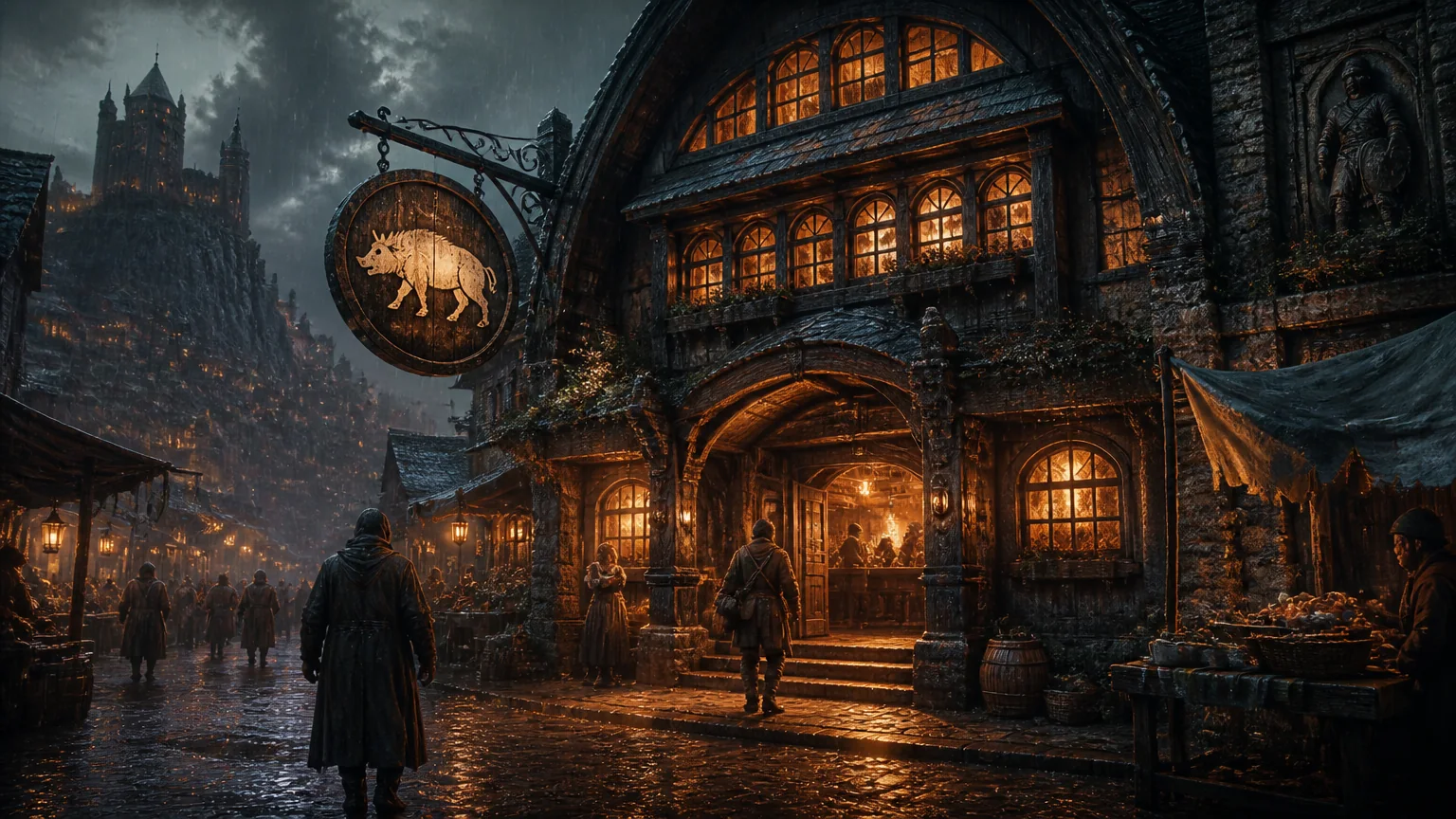
A tavern name is an invitation
A fantasy tavern is often the first place where strangers share a table, so its name should do more than sound amusing. It can tell visitors what the owner values, what the town remembers, or what kind of story people expect to find inside. A harbour tavern, a village inn, and a noble district drinking house should not all use the same naming logic.
Start with the tavern’s role. Is it a safe meeting point, a noisy sailors’ bar, a family inn, a secret courier stop, a former guardhouse, or a place where adventurers are always being recruited? The name can be public and friendly while the history underneath it is complicated. That contrast gives you a place that can hold more than one kind of scene.
Use the Tavern Name Generator with one concrete detail. “A warm roadside inn named after the bridge its founder built” gives the result a stronger direction than “a cool fantasy tavern.”
Choose the source of the name
Most memorable tavern names come from one of five sources:
- A local animal, plant, weather pattern, or landmark
- A former owner, founder, hero, or notorious customer
- A drink, dish, trade, or craft associated with the building
- An object on the sign, especially one with a story behind it
- A phrase locals repeat, misunderstand, or use as a joke
Pick one source, then decide whether the name is literal, affectionate, ironic, or old-fashioned. “The Copper Fox” could be a tavern beside a mine, a meeting place for smugglers, or the nickname of a founder who never owned a fox. The name becomes more useful when you know which version the locals believe.
Let the sign carry a second story
In a world where many people cannot read, a sign is as important as a written name. Describe what hangs above the door. It may be a painted animal, a cracked shield, a lantern, a carved tool, or a symbol that has lost its original meaning. A worn sign also gives you a visual clue players can recognise when they return after a long journey.
The sign does not have to repeat the name literally. The tavern might be called The Broken Crown while its sign shows a crown repaired with wire. That small choice tells visitors that the establishment has survived something. If the name came from a person, show how the sign depicts them and whether the owner is proud of the connection.
Match the name to the neighbourhood
Place changes language. A tavern in a royal capital may have a formal, fashionable name chosen for visitors. A village inn may use a plain local phrase. A port tavern may carry a name that sailors can shout over wind and rigging. A frontier inn may be named after the danger outside rather than the comfort inside.
Give the prompt a location and one regular customer. “A dockside tavern where retired navigators play cards beside a flooded shrine” gives you sound, mood, and a future scene. It also prevents every result from leaning on the same combination of ale, dragons, and danger.
Pair the result with the Innkeeper Name Generator when the owner matters, or the Port Name Generator when the building is part of a larger maritime setting. The tavern should feel like one point in a network, not a disconnected card in a list.
Avoid names that explain the joke too quickly
Humour can work, especially in a lighter campaign, but a name that is only a pun may become tiring after repeated use. Ask whether the joke belongs to the owner, the customers, or the narrator. A serious tavern with an accidentally ridiculous name can be funnier than a sign designed to make every reader laugh.
Test the name in a few sentences: “Meet me at the…”, “The locals warned us about…”, and “The sign above the door read…”. If it works in all three, it has enough flexibility for play and prose. If it only works as a one-line joke, save it for a one-shot or give the establishment a more natural everyday abbreviation.
Give the tavern one usable secret
The best taverns have a detail that can become relevant later. A private room might belong to a courier network. The cellar could connect to an old aqueduct. The owner may keep a guestbook containing names from a vanished expedition. A regular customer may be waiting for someone who never arrived.
Keep the secret small enough to use. It does not need to make the tavern the centre of the whole campaign. It only needs to give players a reason to return and look at the name differently. A good name becomes a memory cue: once the party hears it again, they know where they are and what unfinished thread is waiting nearby.